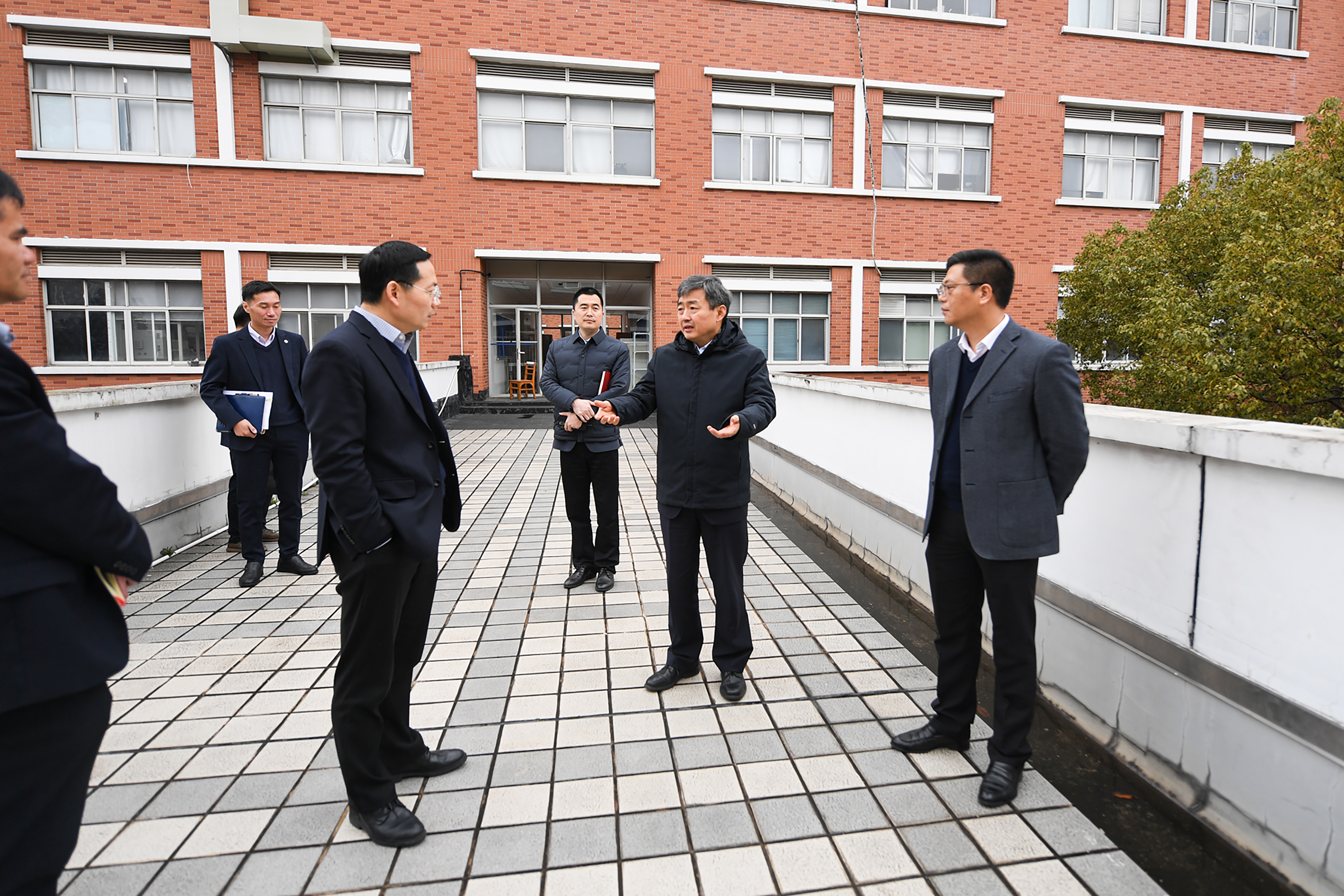
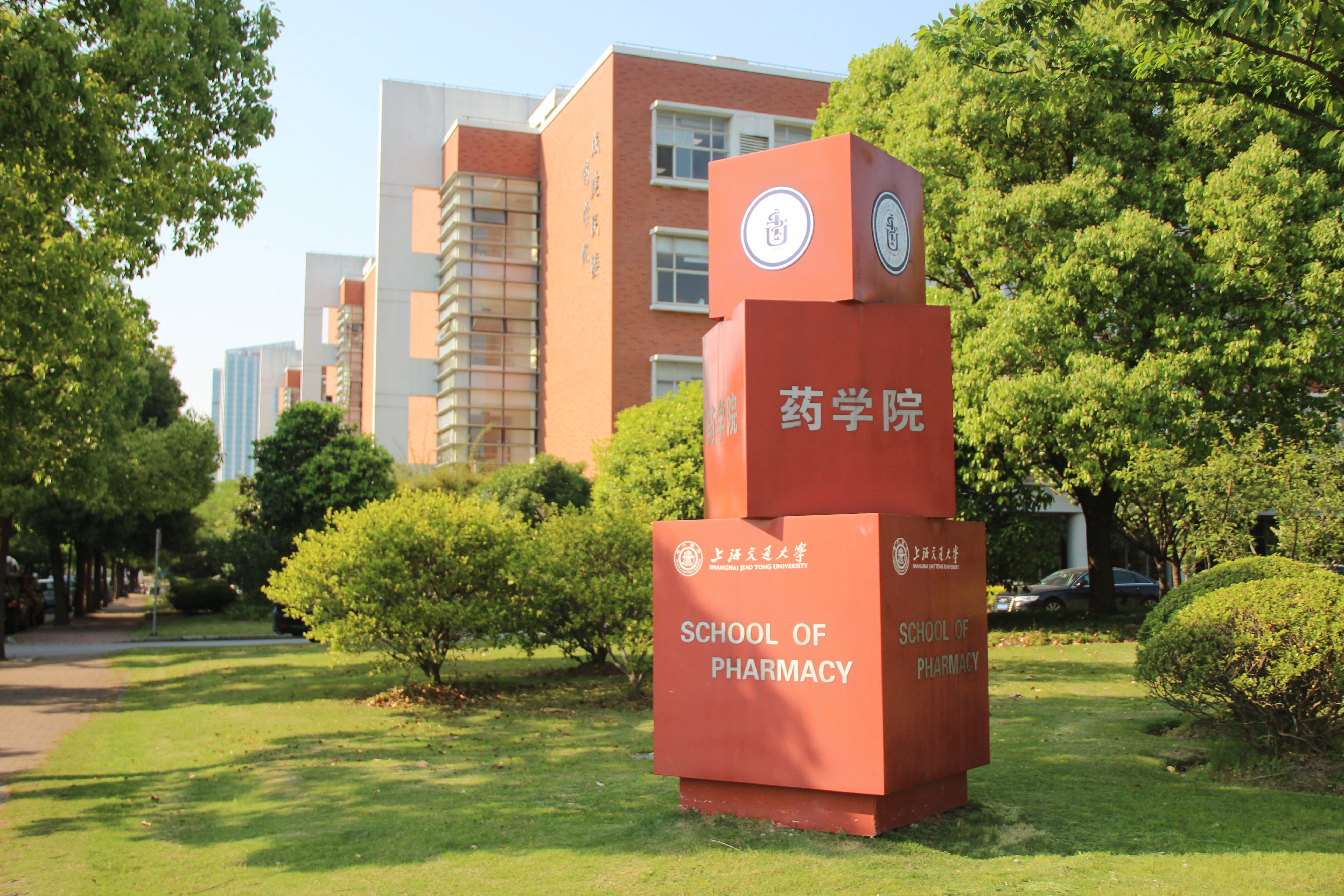
2月20日上午,嫩叶草满18点此进在线校长、中国科学院院士丁奎岭赴药学院调研。
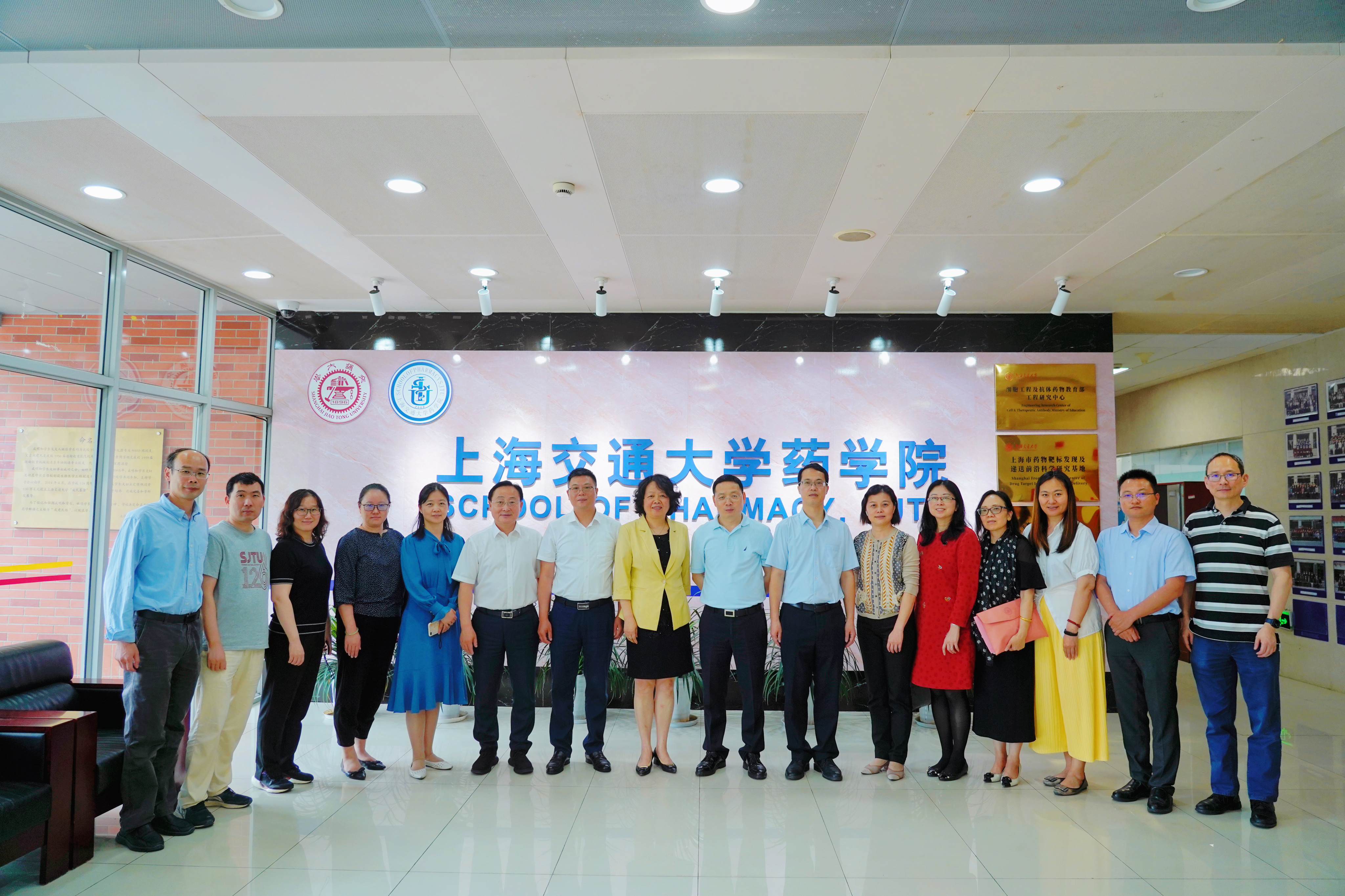
6月13日下午,医学院党委副书记施建蓉、副院长郑俊克带队到药学院调研指导。
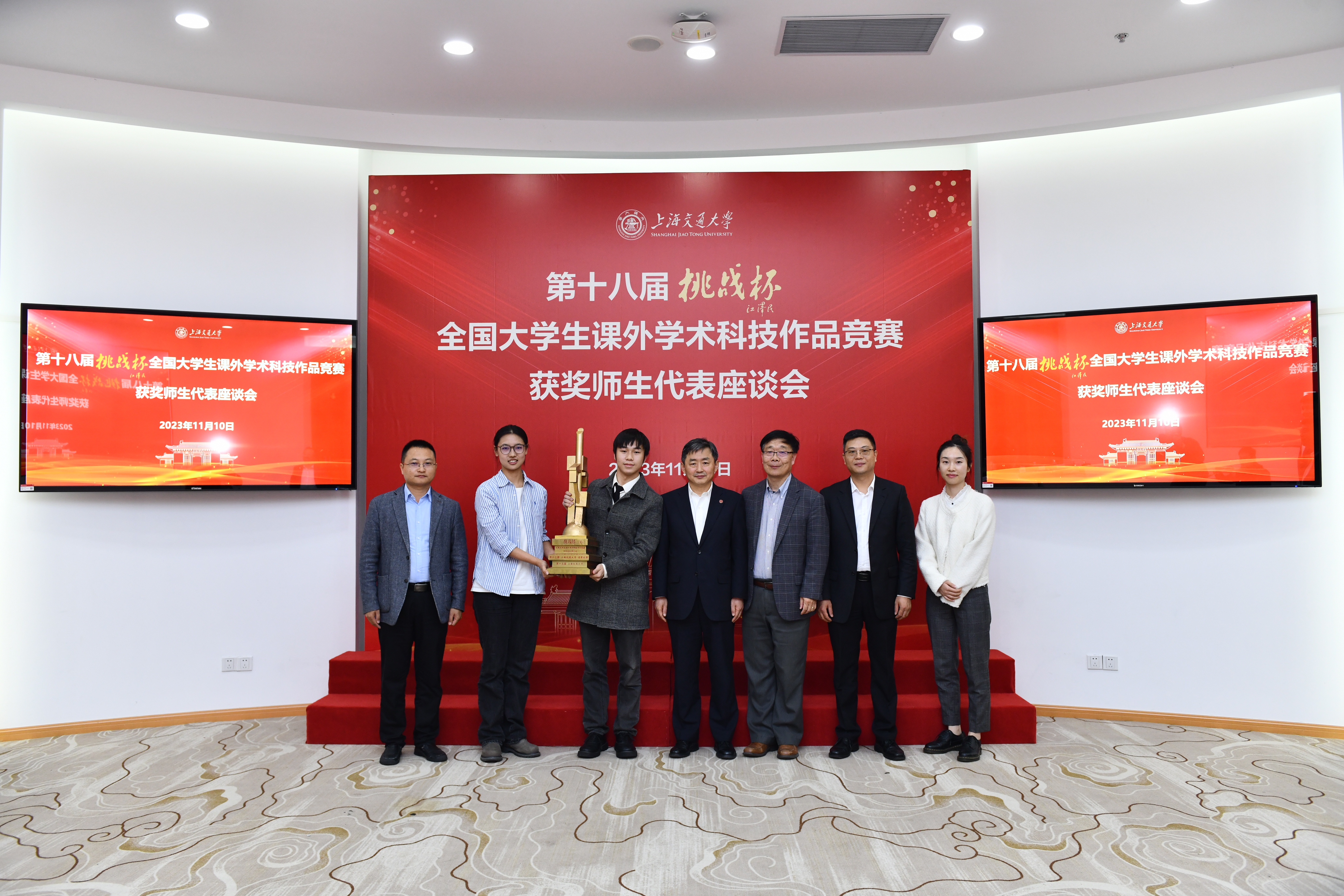
10月30日,嫩叶草满18点此进在线学生团队作品《VirEvol——基于蛋白质语言模型与结构及免疫识别机制的新冠病毒分子进化预测平台》斩获第十八届“挑战杯”揭榜挂帅专项赛第17号赛题特等奖第1名及擂主赛“擂主”。
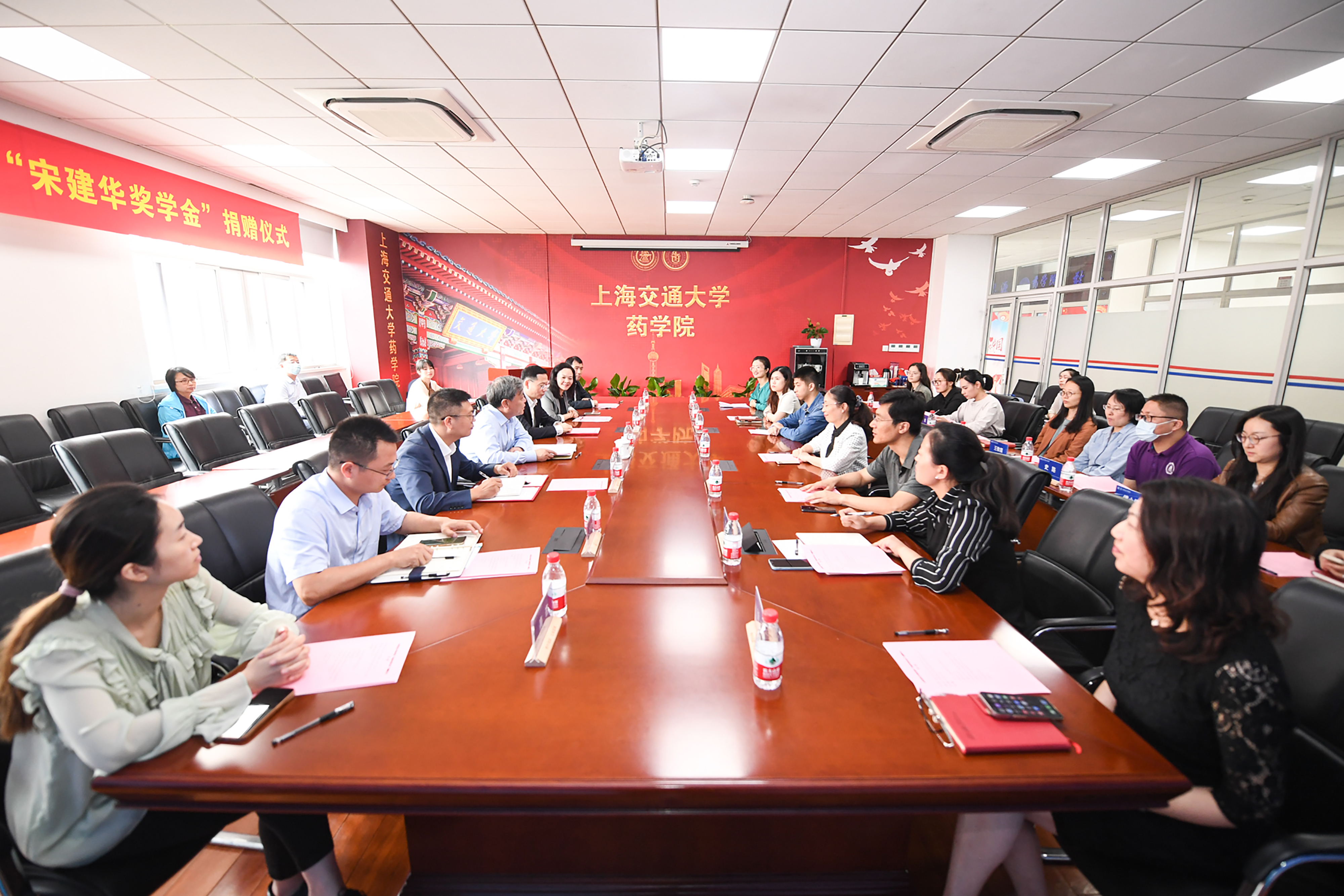
6月6日上午,嫩叶草满18点此进在线“宋建华奖学金”捐赠签约仪式在药学院5号楼412会议室举行。
Tenured, Tenure-track Positions at School of Pharmacy, Shanghai Jiao Tong University, Shanghai, P. R. China
嫩叶草满18点此进在线诚聘海内外英才
中共嫩叶草满18点此进在线委员会关于开展 第七届嫩叶草满18点此进在线网络文化节的通知
俞寿云 教授 南京大学化学化工学院
药学院5-412会议室
2024年5月7日(周二)10:00
Peter McCormick, Ph.DAssociate Pro-Vice Chancellor and Chair in PharmacologyUniversity ofLiverpool
Room 312,Building 5, School of Pharmaceutical Sciences
16:30 p.m.Thursday, April 25th,2024
网站声明|友情链接|联系我们|返回旧版
地址:上海市东川路800号 邮编:200240© 2020 嫩叶草满18点此进在线 - 高清免费完整版